




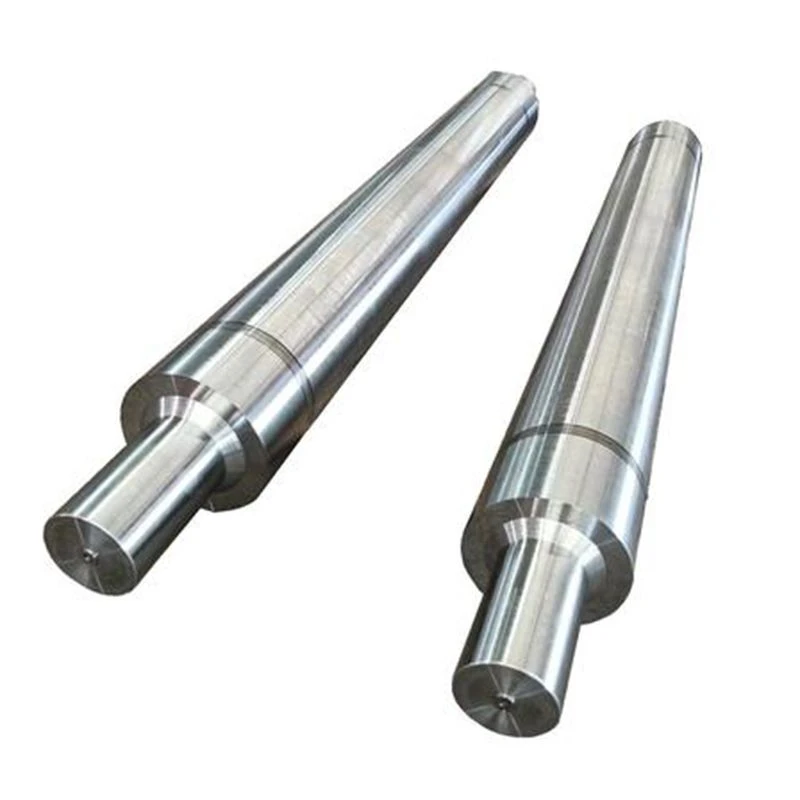

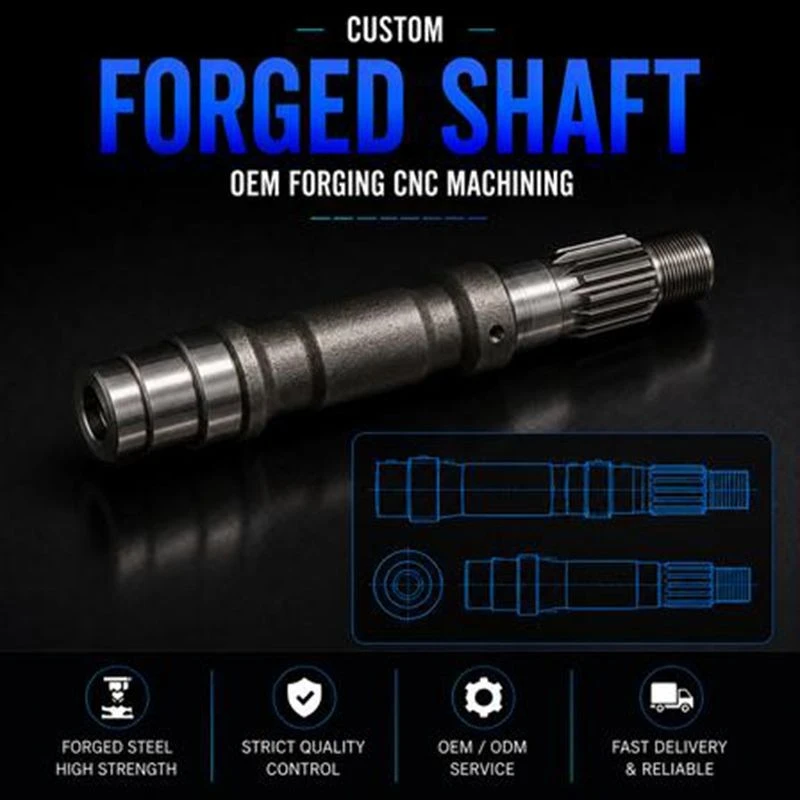
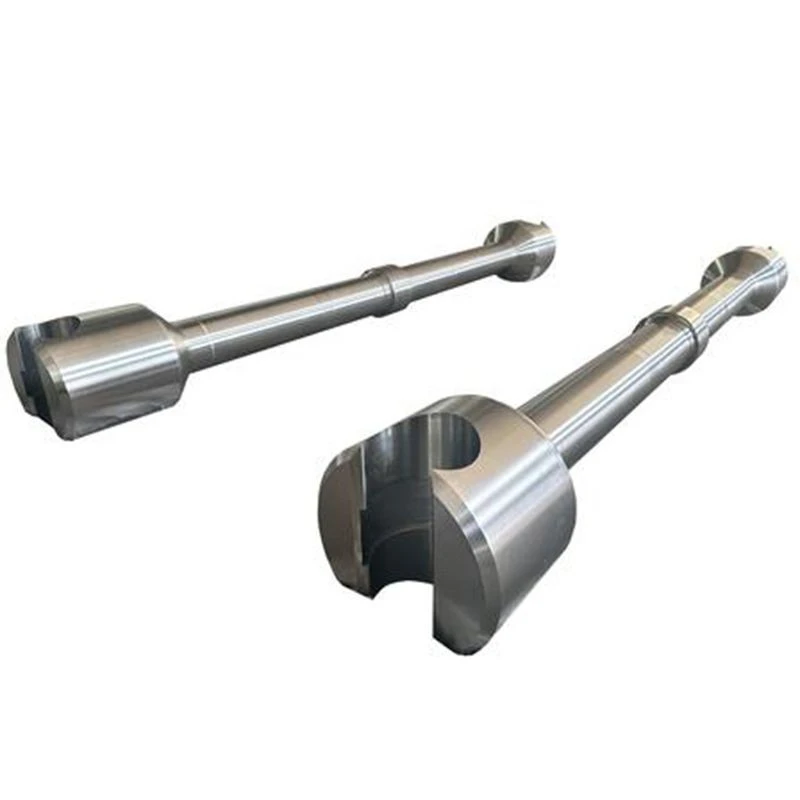
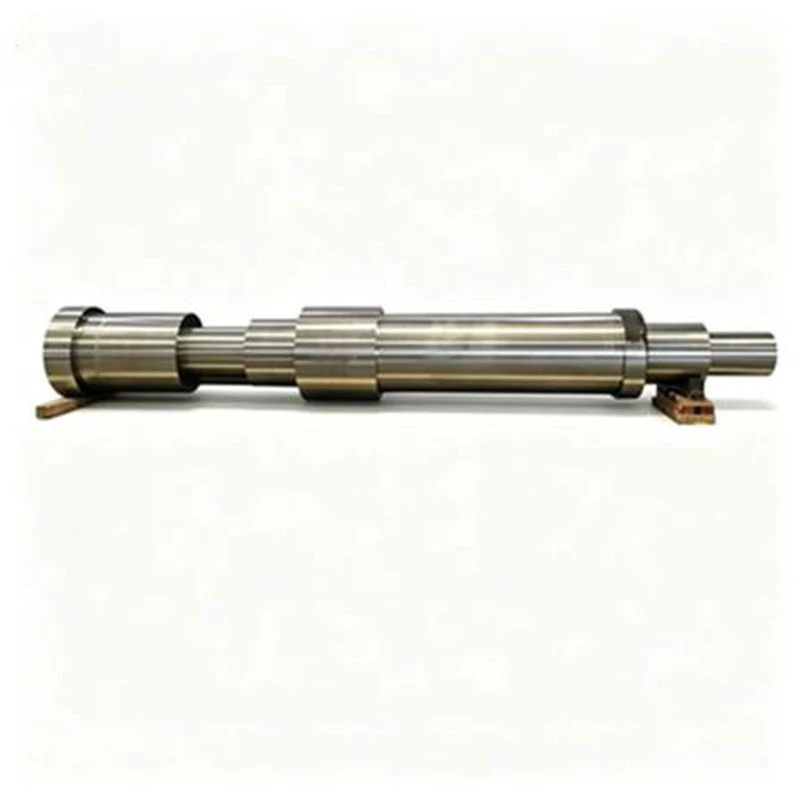
Forged Shaft
Forged shaft is our high-strength shaft solution. Forging processes use heat and pressure to shape metal. This creates denser material structure, finer grain, and continuous metal flow lines. Forged shafts offer significantly better mechanical properties than machined-only shafts from bar stock.

- Product Introduction
High-Strength Forged Shafts for Demanding Applications
Forged shaft is our high-strength shaft solution. Forging processes use heat and pressure to shape metal. This creates denser material structure, finer grain, and continuous metal flow lines. Forged shafts offer significantly better mechanical properties than machined-only shafts from bar stock. Our forged shafts serve automotive transmission systems (axle shafts, crankshafts), construction machinery (drive shafts), marine propeller shafts, wind turbine main shafts, and large industrial reducers. Every forged shaft we produce delivers superior strength and reliability.
Superior Material Properties
Our forged shaft blanks come from specialized forging partners we strictly select and regularly audit. We handle subsequent heat treatment and precision machining. Materials cover carbon steel, alloy steel (40Cr, 42CrMo), stainless steel, and bearing steel (GCr15). Our forged shafts reach up to Φ300mm diameter and 3000mm length. The mechanical property advantages are substantial. After forging and quenching + tempering, 42CrMo forged shafts achieve tensile strength above 900MPa, yield strength above 750MPa, and impact toughness above 50J/cm². These values significantly exceed machined shafts from rolled bar stock of the same material. Every forged shaft we machine meets these high-performance standards.
Precision Machining and Quality Control
Our forged shaft machining follows "rough turning → quenching + tempering → semi-finish turning → finish turning → grinding." Rough turning removes the forged surface scale and creates rough dimensions with allowance. Quenching + tempering creates tempered sorbite structure for target hardness and toughness. Then semi-finish and finish turning achieve drawing dimensions. Finally, grinding finishes the outer diameter fit surfaces. Our CNC lathes and cylindrical grinders achieve journal diameter tolerances at h6 level (e.g., Φ50h6 tolerance -0.016/-0.025mm). Cylindricity is within 0.008mm. Surface roughness reaches Ra≤0.4μm. Coaxiality is within 0.015mm. Quality control focuses on material structure, mechanical properties, and critical dimensions. Every batch undergoes chemical composition re-verification (spectrometer) and hardness testing (HB240-280 after quenching + tempering). After machining, CMM checks length, step positions, and coaxiality. Roundness testers check journal roundness. Full FAI reports and mechanical property test reports accompany every shipment. Standard production is 30-45 days. We accept orders starting from 1 piece. Standard warranty is 1 year.
Product Parameters
|
Parameter |
Specification |
|
Maximum Machining Size |
Diameter Φ300mm, Length 3000mm |
|
Common Materials |
42CrMo, 40Cr, 45# Steel, Stainless Steel, Bearing Steel GCr15 |
|
Mechanical Properties (42CrMo Quenched + Tempered) |
Tensile ≥900MPa, Yield ≥750MPa, Impact Toughness ≥50J/cm² |
|
Journal Accuracy |
h6 Tolerance, Cylindricity ≤0.008mm, Coaxiality ≤0.015mm |
|
Surface Roughness (Journals) |
Ra≤0.4μm |
Hot Tags: forged shaft, China forged shaft manufacturers, suppliers, factory, Aluminum Forged Bracket, Forged Flange, Forged Gear Blank, Forged Ring, Forged Shaft, forging part machining


