
CNC Brass Milling
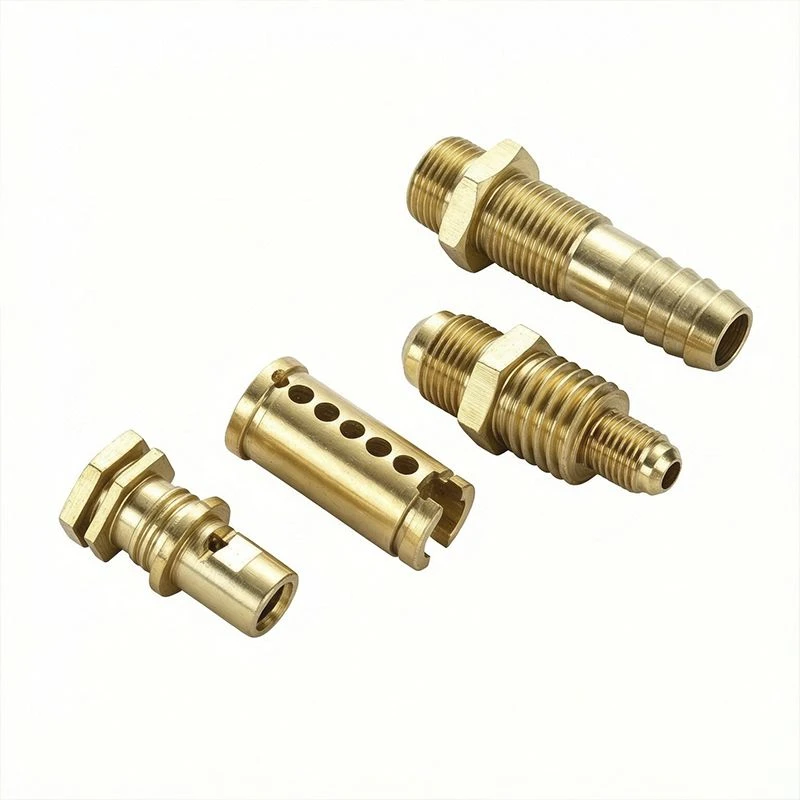
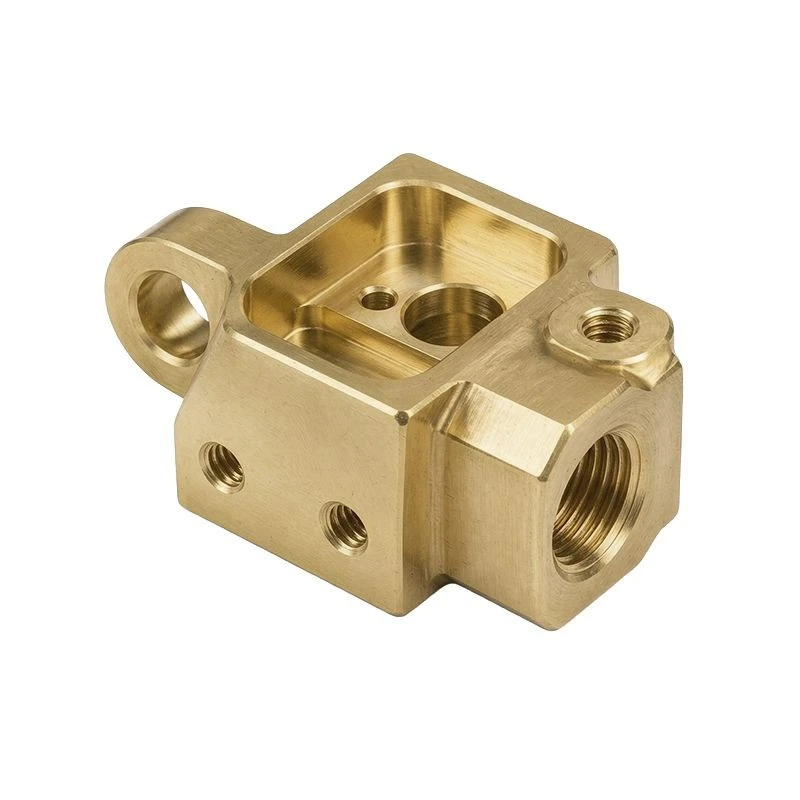
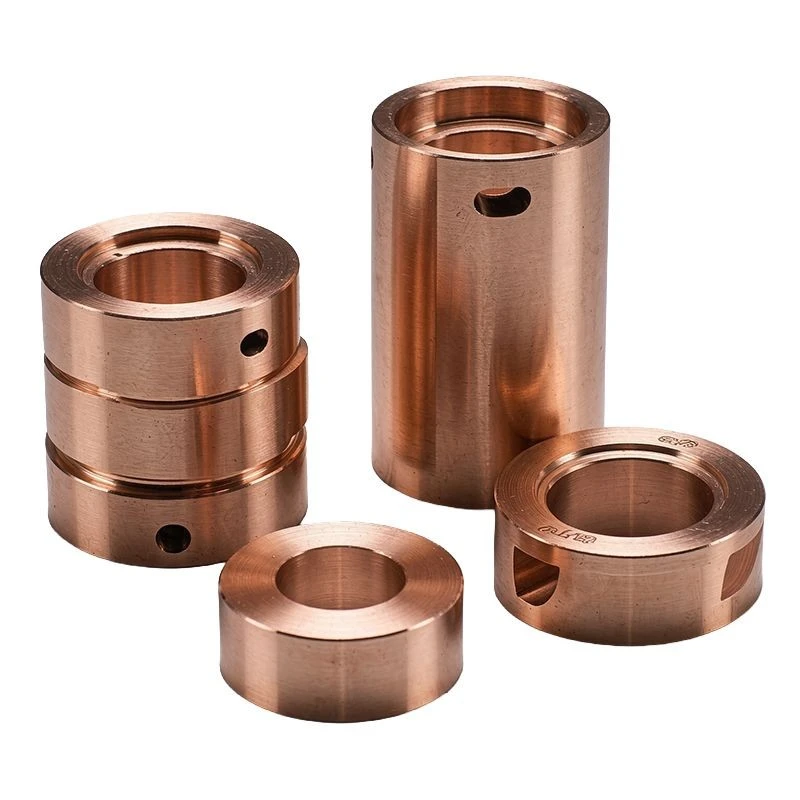
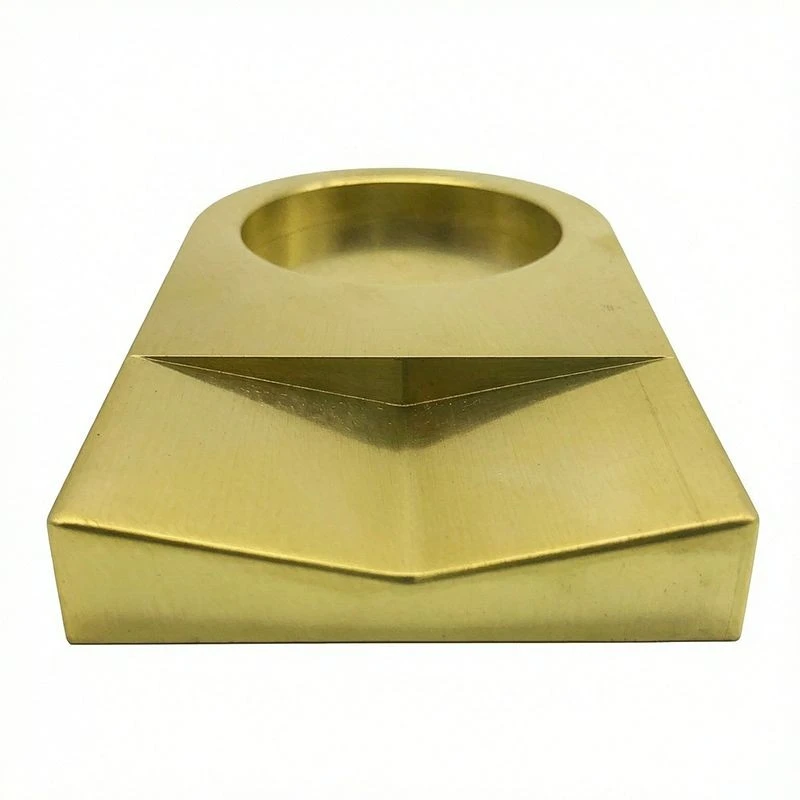
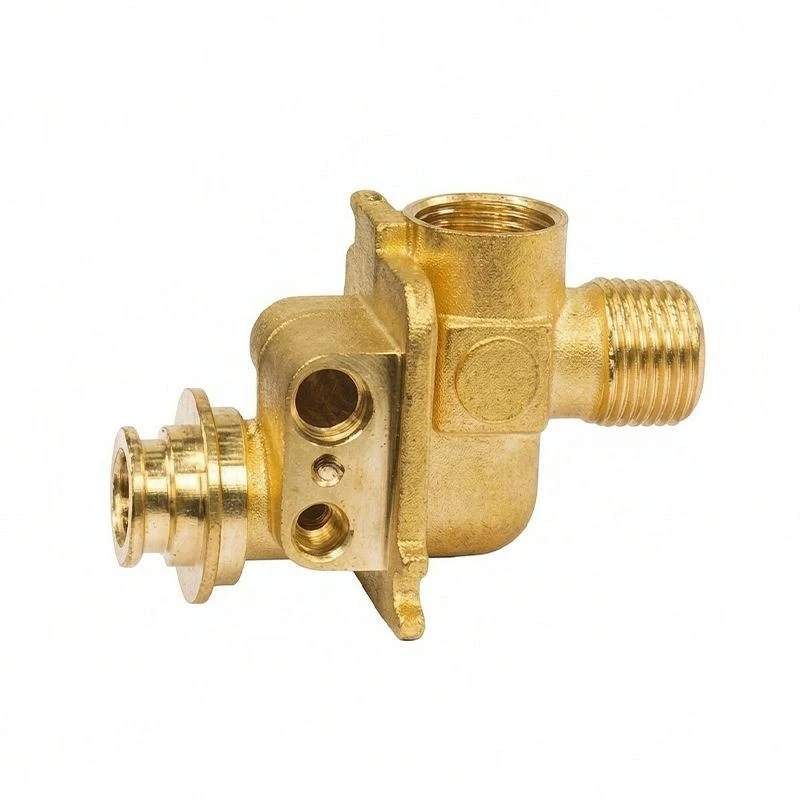
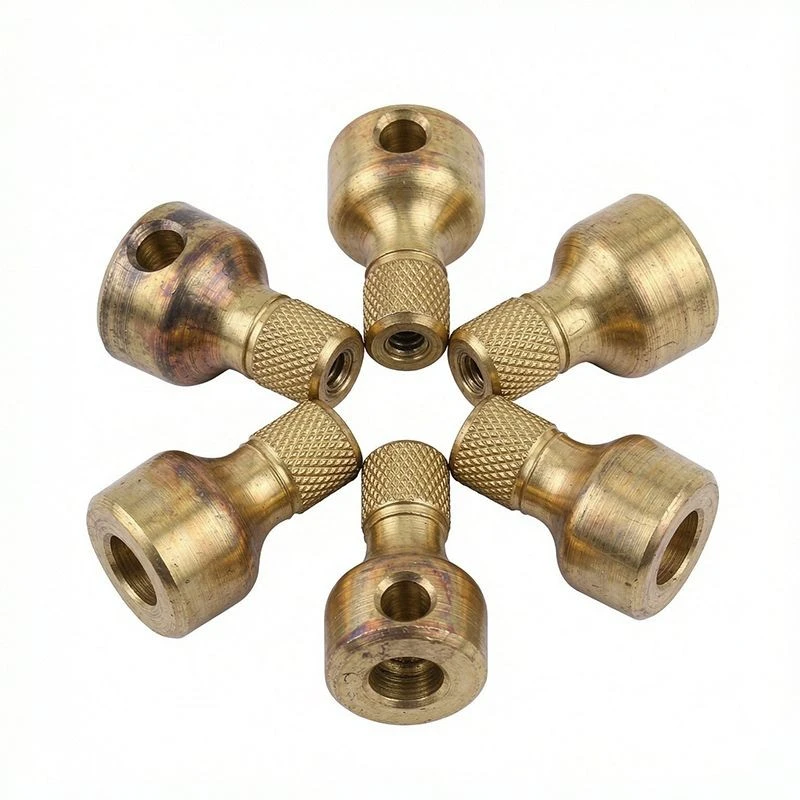
CNC brass milling is our specialized service for copper alloy materials. Brass (copper-zinc alloy) offers excellent electrical conductivity, thermal conductivity, corrosion resistance, and machinability. It is widely used in electronics, plumbing hardware, instruments, pneumatic components, and valve fittings. Our CNC brass milling covers H62, H65, H68, and HPb59-1 grades.

- Product Introduction
Precision Milling for Brass Components
CNC brass milling is our specialized service for copper alloy materials. Brass (copper-zinc alloy) offers excellent electrical conductivity, thermal conductivity, corrosion resistance, and machinability. It is widely used in electronics, plumbing hardware, instruments, pneumatic components, and valve fittings. Our CNC brass milling covers H62, H65, H68, and HPb59-1 grades. We machine electrical terminals, plumbing fittings, instrument housings, valve cores, nozzles, and precision threaded parts. Every CNC brass milling job we deliver meets high quality standards.
Machining Characteristics and Solutions
Brass has better machinability than most metals. It produces short chips with low cutting force and good surface finish. But brass machining has its own challenges. Brass has excellent thermal conductivity (about twice that of steel). Cutting heat quickly transfers to tools and workpieces. This can cause thermal expansion affecting dimensional accuracy. Brass is also relatively soft (HB80-HB150). It tends to produce burrs during machining, affecting appearance and assembly. Our solutions include using PCD or carbide inserts with sharp edges and positive rake angles. We run at high speeds (8000-15000rpm) with large stepover and small depth of cut. Ample coolant controls thermal deformation. For high surface quality requirements, we use diamond tools for finishing. This achieves mirror-like surface finish (Ra≤0.2μm).
Burr Control and Dimensional Accuracy
Quality control for CNC brass milling focuses on dimensional accuracy and burr removal. We use CMM to inspect hole position, thread pilot hole size, and mating surface height. First-piece full dimension inspection is required before mass production. For threaded holes and sealing grooves, we use dedicated gauges (thread gauges, pneumatic gauges) for 100% inspection. Deburring is a critical step in brass machining. We use automatic deburring equipment combined with manual finishing. This ensures all edges are smooth and burr-free. Every part undergoes visual inspection under 6000K light. Our CNC brass milling accepts orders starting from 1 piece. Prototyping takes 2-5 days. Batch production takes 10-25 days. Standard warranty is 1 year. We support various surface treatments including polishing, electroplating, wire drawing, and coating. Contact us with your drawing. We will respond with technical evaluation and quotation within 24 hours.
Product Parameters
|
Parameter |
Specification |
|
Material Grades |
H62, H65, H68, HPb59-1 (per customer requirement) |
|
Machining Accuracy |
Dimensional Tolerance ±0.01mm |
|
Surface Roughness |
Ra≤0.8μm (Ra≤0.2μm achievable for finishing) |
|
Deburring Process |
Automatic Deburring + Manual Finishing |
|
Inspection Equipment |
CMM, Pneumatic Gauge, Thread Gauge, 6000K Light Visual Inspection Station |
Hot Tags: cnc brass milling, China cnc brass milling manufacturers, suppliers, factory, CNC Aluminum Milling, CNC Brass Milling, CNC Plastic Milling, CNC Stainless Milling, CNC Steel Milling, precision machining