




What simulation software can be used for the forging process of gear blanks?
 Oct 14, 2026|
In the manufacturing of forged gear blanks, simulation software plays a crucial role in optimizing the forging process, improving product quality, and reducing production costs. As a Forged Gear Blank supplier, I have extensive experience in this field and have used various simulation software to enhance our forging operations. In this blog post, I will explore some of the simulation software commonly used in the forging process of gear blanks.
DEFORM
DEFORM is a well - known and widely used simulation software in the metal forming industry. It offers a comprehensive set of features specifically designed for forging processes.
One of the key advantages of DEFORM is its ability to simulate the entire forging cycle, from the initial billet heating to the final forging and subsequent cooling. This allows us to analyze the material flow, stress distribution, and temperature changes during the forging of gear blanks. For example, by simulating the material flow, we can predict potential defects such as folding, cracking, or uneven filling of the die cavity. This helps us to optimize the die design and forging parameters in advance, reducing the likelihood of costly rework or scrap.
DEFORM also provides detailed information about the mechanical properties of the forged gear blanks. It can predict the hardness distribution, grain size, and residual stress within the part. This is essential for ensuring that the final product meets the required mechanical specifications. For instance, if a gear blank needs to have a certain level of hardness at specific locations, we can use DEFORM to adjust the forging process to achieve the desired hardness profile.
Moreover, DEFORM has a user - friendly interface and a large library of materials and processes. This makes it easy for our engineers to set up simulations quickly and accurately. It also allows us to compare different forging scenarios and select the most efficient and cost - effective one. [1]
FORGE
FORGE is another powerful simulation software for forging processes. It is known for its high - precision simulation capabilities, especially in complex forging operations.
In the forging of gear blanks, which often involve multi - step processes and complex geometries, FORGE can accurately simulate the material behavior at different stages. It can handle advanced forging techniques such as closed - die forging, open - die forging, and extrusion. By simulating these processes, we can optimize the sequence of operations, the pre - form design, and the die load distribution.
FORGE also offers advanced thermal analysis features. Since the forging process involves significant temperature changes, proper thermal management is crucial for the quality of the gear blanks. The software can simulate the heat transfer between the workpiece, the die, and the surrounding environment. This helps us to control the forging temperature, prevent overheating or under - heating, and ensure uniform microstructure and mechanical properties throughout the gear blank.
In addition, FORGE provides real - time visualization of the forging process. Our engineers can monitor the material flow, deformation, and stress distribution as the simulation progresses. This real - time feedback allows for quick adjustments and optimizations, improving the overall efficiency of the forging process. [2]
ABAQUS
ABAQUS is a general - purpose finite element analysis (FEA) software that can also be used effectively for forging simulations. It has a wide range of material models and element types, which makes it suitable for simulating complex forging problems.
One of the strengths of ABAQUS is its ability to handle large - scale and non - linear problems. In the forging of gear blanks, the material undergoes significant plastic deformation, and the contact between the workpiece and the die is highly non - linear. ABAQUS can accurately model these non - linear behaviors, providing more reliable simulation results.
It also supports multi - physics simulations. For example, we can couple the mechanical deformation with the thermal and metallurgical processes in ABAQUS. This integrated approach allows us to study the complex interactions between different physical phenomena during the forging process, such as the influence of temperature on the material's flow stress and the phase transformations in the metal.
Furthermore, ABAQUS has a powerful post - processing module. We can use it to analyze the simulation results in detail, generate comprehensive reports, and visualize the key parameters of interest. This helps us to communicate the simulation findings effectively within the team and make informed decisions regarding the forging process. [3]
Advantages of Using Simulation Software for Gear Blank Forging
Using simulation software in the forging process of gear blanks offers several significant advantages for our business as a supplier.
First, it improves product quality. By simulating the forging process, we can identify and eliminate potential defects before they occur in actual production. This ensures that the gear blanks we supply meet the strict quality standards required by our customers. For example, we can optimize the die design to ensure uniform metal flow and avoid internal voids or cracks in the gear blanks.
Second, it reduces production costs. Simulation allows us to optimize the forging process parameters such as the forging temperature, the forging force, and the die geometry. This leads to a more efficient use of materials, less energy consumption, and fewer production cycles. As a result, we can offer our customers more competitive prices for our Forged Gear Blanks.
Third, it shortens the product development cycle. Instead of relying on trial - and - error methods in the actual production, we can use simulation software to test different forging scenarios in a virtual environment. This significantly reduces the time and cost associated with new product development. We can quickly evaluate different design concepts and select the most promising one for further development.
Our Product Range and Simulation
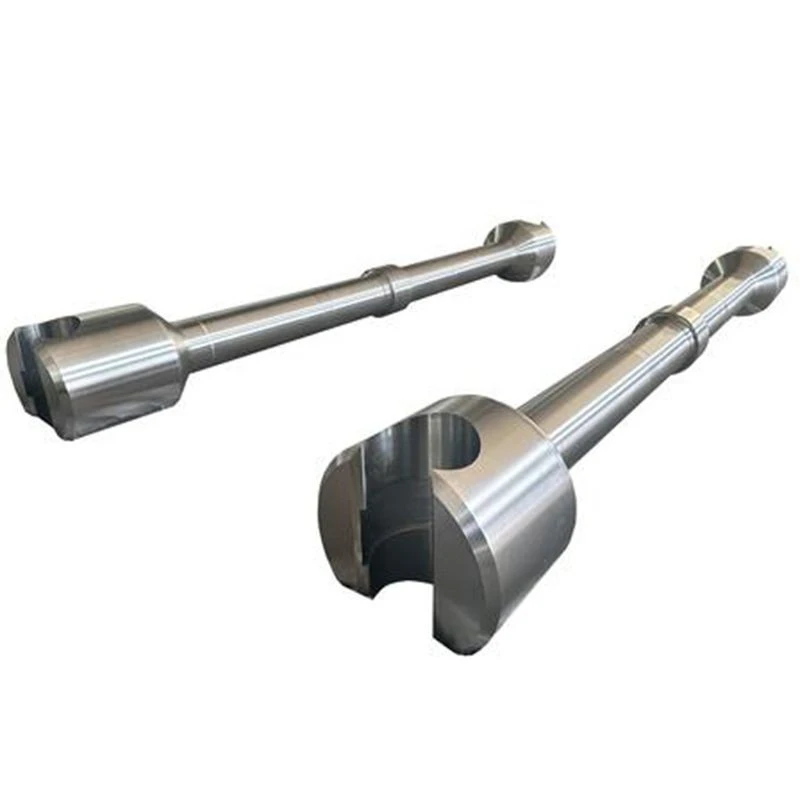
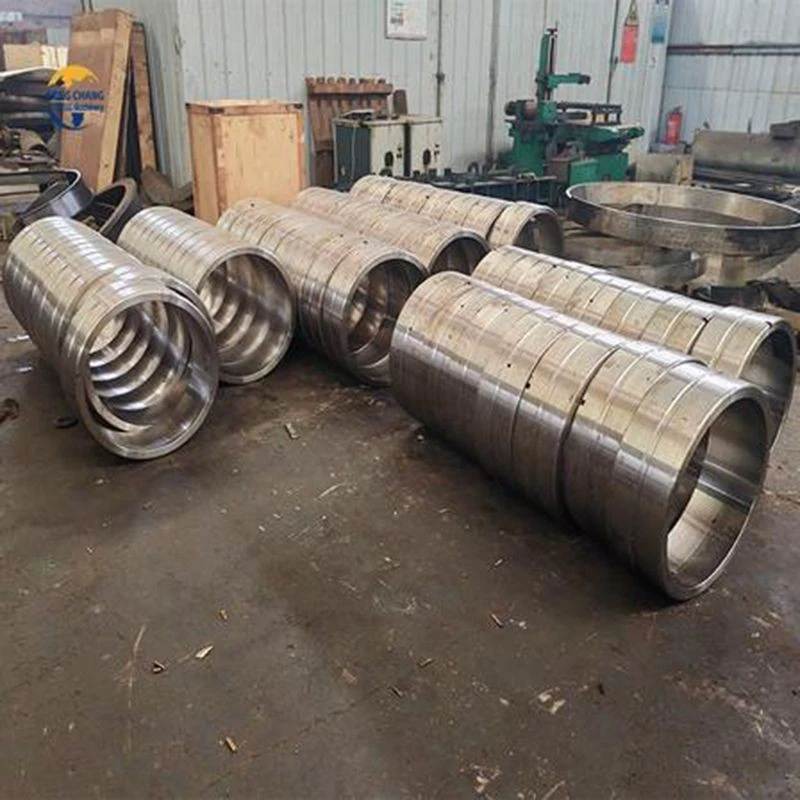
As a Forged Gear Blank supplier, we not only focus on optimizing the forging process of gear blanks but also offer a wide range of other forged products. Our product portfolio includes Forged Ring, Forged Flange, Forged Shaft, and Brass Forged Fitting.
We use the same simulation software for these products as well. The simulation helps us to maintain consistent quality across different product lines. For example, in the forging of forged rings, we can simulate the hoop stress distribution and ensure the concentricity of the ring. In the case of brass forged fittings, the software allows us to optimize the forging process to achieve the required corrosion resistance and mechanical strength.
Conclusion
In conclusion, simulation software plays an indispensable role in the forging process of gear blanks and other forged products. Software such as DEFORM, FORGE, and ABAQUS offer a wide range of features for simulating material flow, stress distribution, temperature changes, and mechanical properties. These simulations help us to improve product quality, reduce production costs, and shorten the product development cycle.
If you are in the market for high - quality forged products, including Forged Gear Blanks, Forged Rings, Forged Flanges, Forged Shafts, or Brass Forged Fittings, we would be delighted to discuss your requirements. Our experience in using simulation software ensures that we can provide you with products that meet your strict quality and performance requirements. Please feel free to contact us to start a procurement discussion.
References
[1] "DEFORM User Manual", Scientific Forming Technologies Corporation.
[2] "FORGE Technical Documentation", Transvalor.
[3] "ABAQUS Analysis User's Guide", Dassault Systèmes.