




What are the pressure ratings of brass forged fittings?
 Oct 13, 2026|
What are the pressure ratings of brass forged fittings?
Hey there! If you're in the market for brass forged fittings, then you're probably wondering about their pressure ratings. As a brass forged fitting supplier, I'm here to break it all down for you in a way that's easy to understand.
First off, let's talk about what pressure ratings actually mean. In simple terms, the pressure rating of a brass forged fitting indicates the maximum amount of pressure it can safely handle without failing. This is super important because using a fitting with a pressure rating that's too low for your application can lead to leaks, bursts, and even dangerous situations.
Factors Affecting Pressure Ratings
There are several factors that can affect the pressure rating of brass forged fittings. One of the main factors is the material itself. Brass is an alloy made up of copper and zinc, and different compositions of brass can have different strength properties. Generally, brass with a higher copper content tends to be stronger and can handle higher pressures.
The manufacturing process also plays a big role. Forged brass fittings are made by shaping the brass under high pressure, which results in a denser and more uniform structure compared to cast fittings. This makes forged fittings stronger and able to withstand higher pressures. The forging process can also improve the ductility of the brass, which means it can bend and stretch a bit without breaking under pressure.
The size and design of the fitting are also crucial. Smaller fittings usually have higher pressure ratings because they have less surface area for the pressure to act on. Additionally, fittings with a thicker wall thickness can handle more pressure. For example, a brass forged elbow with a thick wall will be able to withstand more pressure than one with a thin wall.
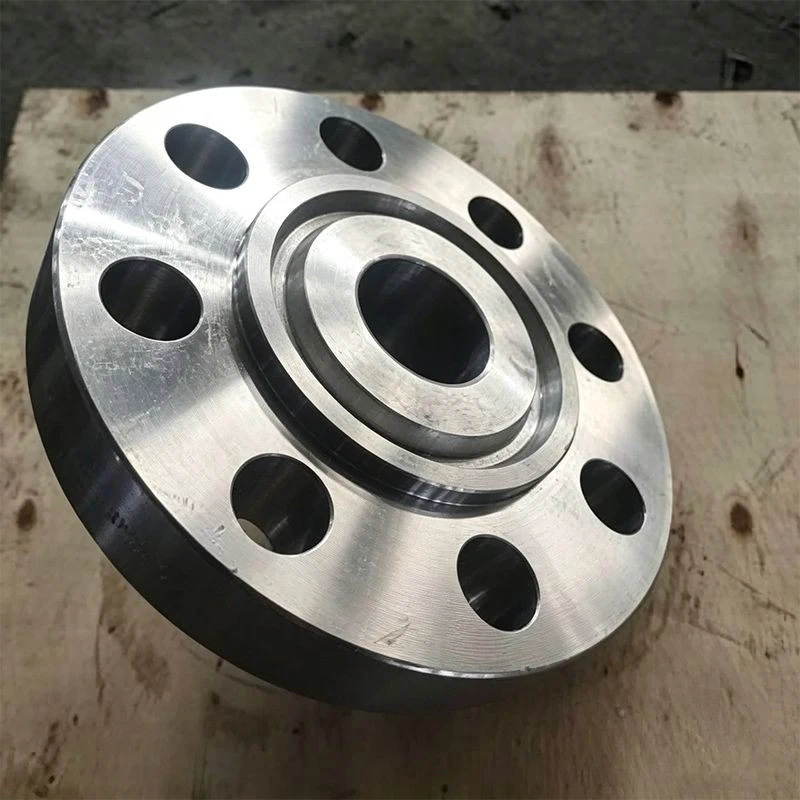
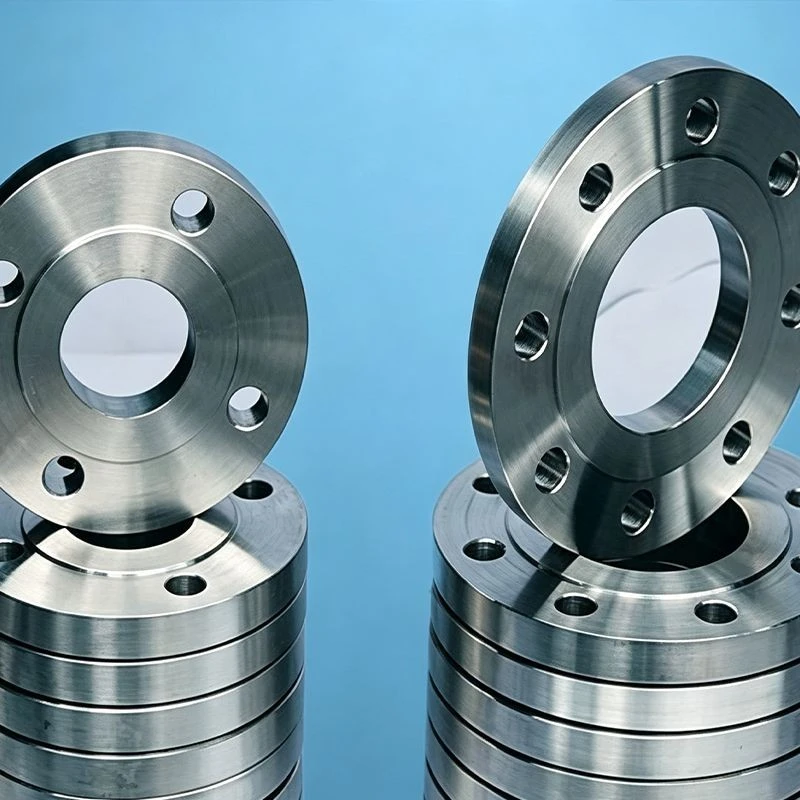
Common Pressure Ratings
Brass forged fittings come in a variety of pressure ratings to suit different applications. Some common pressure ratings you'll come across are 150 psi, 300 psi, and 600 psi.
- 150 psi: Fittings with a 150 psi rating are typically used in low - pressure applications. This could include things like residential plumbing for water lines where the pressure is relatively low. For example, in a normal household, the water pressure usually ranges from 30 - 80 psi, so a 150 psi brass forged fitting would be more than sufficient.
- 300 psi: These fittings are suitable for medium - pressure applications. They might be used in commercial plumbing systems or in some industrial processes where the pressure is a bit higher than in a residential setting. For instance, in a small factory's water supply system, a 300 psi brass forged fitting can handle the pressure without any issues.
- 600 psi: Fittings rated at 600 psi are designed for high - pressure applications. They are often used in industrial settings such as hydraulic systems or in some high - pressure gas lines. In a hydraulic press, for example, the pressure can be quite high, and a 600 psi brass forged fitting would be needed to ensure safety and reliability.
Applications and Pressure Ratings
Let's take a closer look at some specific applications and the appropriate pressure ratings for brass forged fittings.
Plumbing
In residential plumbing, as I mentioned earlier, 150 psi fittings are commonly used for water supply lines. These fittings connect pipes together and ensure a leak - free connection. For hot water systems, the same 150 psi fittings can be used because the pressure in a typical home hot water system is also within the 30 - 80 psi range.
In commercial plumbing, 300 psi fittings are often preferred. Commercial buildings have larger water demand, and the water supply systems may have higher pressures to ensure proper water flow to all areas of the building. For example, in a multi - story office building, the water pressure needs to be sufficient to reach the upper floors, so 300 psi brass forged fittings are a good choice.
Industrial Applications
In the industrial sector, the requirements are much more diverse. For low - pressure industrial processes such as some chemical mixing systems where the pressure is relatively gentle, 150 psi or 300 psi fittings may be used.
However, in high - pressure applications like hydraulic machinery, 600 psi fittings are essential. Hydraulic systems use pressurized fluid to generate force, and the pressures can be extremely high. Using a fitting with a lower pressure rating in a hydraulic system could lead to catastrophic failures.
In addition to the above, if you're interested in other forged products, we also offer Forged Gear Blank, Forged Valve Body, Forged Shaft, Stainless Forged Flange and Forged Flange.
Choosing the Right Pressure Rating
So, how do you choose the right pressure rating for your brass forged fittings? The first step is to determine the maximum pressure in your system. You can do this by checking the specifications of your equipment or by using a pressure gauge. Once you know the maximum pressure, choose a fitting with a pressure rating that is equal to or higher than that value.
It's also a good idea to consider any potential pressure spikes or fluctuations in your system. For example, if there are pumps or valves that can cause sudden changes in pressure, you may want to choose a fitting with a higher pressure rating to provide some extra safety margin.
Conclusion
Understanding the pressure ratings of brass forged fittings is crucial for ensuring the safety and reliability of your systems. Whether you're working on a residential plumbing project or an industrial application, choosing the right pressure - rated fitting is essential.
As a brass forged fitting supplier, I'm here to help you make the right choice. If you have any questions about pressure ratings or need advice on which fitting is best for your application, don't hesitate to reach out. We're always ready to assist you in finding the perfect brass forged fittings for your needs.
References
- "Handbook of Brass Fittings: Properties and Applications"
- "Industrial Plumbing and Pressure Systems: A Comprehensive Guide"
- "Hydraulic Systems and Components: Design and Operation"