




What is the surface treatment of forged flanges?
 Oct 22, 2026|
Surface treatment of forged flanges is a critical process that significantly impacts their performance, durability, and appearance. As a forged flange supplier, we understand the importance of providing high - quality surface - treated flanges to meet the diverse needs of our customers. In this blog post, we will explore what surface treatment of forged flanges is, the common surface treatment methods, and their benefits.
What is Surface Treatment of Forged Flanges?
Surface treatment of forged flanges refers to the process of applying a layer or modifying the outermost layer of the forged flange to enhance its properties. Forged flanges are initially shaped through the forging process, which involves applying compressive forces to a metal billet to form the desired shape. However, the surface of the forged flange after the forging process may have some imperfections such as rough texture, oxidation, and potential corrosion susceptibility. Surface treatment is used to address these issues and improve the overall quality of the flange.
Common Surface Treatment Methods for Forged Flanges
1. Painting
Painting is one of the most common surface treatment methods for forged flanges. It involves applying a layer of paint on the surface of the flange. The paint acts as a barrier between the metal and the surrounding environment, preventing moisture, oxygen, and other corrosive substances from coming into contact with the flange. There are different types of paints available for forged flanges, including epoxy paints, polyurethane paints, and alkyd paints. Epoxy paints are known for their excellent adhesion, chemical resistance, and durability, making them suitable for flanges used in harsh chemical environments. Polyurethane paints offer good weather resistance and can provide a high - gloss finish, which is often preferred for aesthetic reasons.
2. Galvanizing
Galvanizing is a process of applying a zinc coating to the surface of the forged flange. There are two main methods of galvanizing: hot - dip galvanizing and electro - galvanizing. In hot - dip galvanizing, the forged flange is immersed in a bath of molten zinc. The zinc reacts with the iron in the flange to form a series of zinc - iron alloy layers and a pure zinc top layer. This thick zinc coating provides excellent corrosion protection and can last for a long time, even in outdoor or marine environments. Electro - galvanizing, on the other hand, uses an electrical current to deposit a thin layer of zinc onto the flange surface. It is a more precise process and can be used for applications where a thinner coating is required.
3. Phosphating
Phosphating is a chemical process that forms a phosphate coating on the surface of the forged flange. The phosphate coating is porous, which can improve the adhesion of subsequent coatings such as paint. Phosphating also provides some degree of corrosion resistance. There are different types of phosphating processes, such as zinc phosphating and iron phosphating. Zinc phosphating is commonly used for forged flanges as it provides better corrosion protection compared to iron phosphating.
4. Passivation
Passivation is mainly used for stainless steel forged flanges. Stainless Forged Flange is made of stainless steel, which contains chromium. When the flange is passivated, a thin, protective oxide layer is formed on the surface. This oxide layer is rich in chromium and acts as a barrier against corrosion. The passivation process typically involves immersing the flange in a solution containing nitric acid or citric acid to remove free iron and other contaminants from the surface and promote the formation of the passive oxide layer.
Benefits of Surface Treatment for Forged Flanges
1. Corrosion Resistance
One of the primary benefits of surface treatment is to enhance the corrosion resistance of forged flanges. Corrosion can weaken the flange structure over time, leading to leaks and potential safety hazards. By applying a protective surface coating such as paint, zinc, or a passive oxide layer, the flange is better protected from the corrosive effects of moisture, chemicals, and other environmental factors.
2. Improved Aesthetics
Surface treatment can also improve the appearance of forged flanges. A well - painted or galvanized flange looks more professional and can enhance the overall visual appeal of the piping or equipment where the flange is installed. This is especially important for applications where the flanges are visible, such as in architectural or decorative piping systems.
3. Enhanced Adhesion for Coatings
Some surface treatments, like phosphating, can improve the adhesion of subsequent coatings. This is crucial when additional layers of paint or other protective coatings are applied to the flange. Good adhesion ensures that the coatings remain intact over time, providing continuous protection to the flange.

4. Wear Resistance
In some cases, surface treatment can also improve the wear resistance of forged flanges. For example, certain types of coatings can reduce friction between the flange and other components, minimizing wear and tear during operation.
Applications of Surface - Treated Forged Flanges
Surface - treated forged flanges are widely used in various industries. In the oil and gas industry, Forged Valve Body and flanges are often exposed to harsh environments, including high - pressure, high - temperature, and corrosive fluids. Surface - treated flanges ensure reliable connections and prevent leaks, which is essential for the safety and efficiency of oil and gas production and transportation.
In the power generation industry, forged flanges are used in steam turbines, boilers, and other power - generation equipment. The surface treatment of these flanges helps to protect them from the high - temperature and high - pressure steam, as well as the corrosion caused by water and chemicals in the power - generation process.
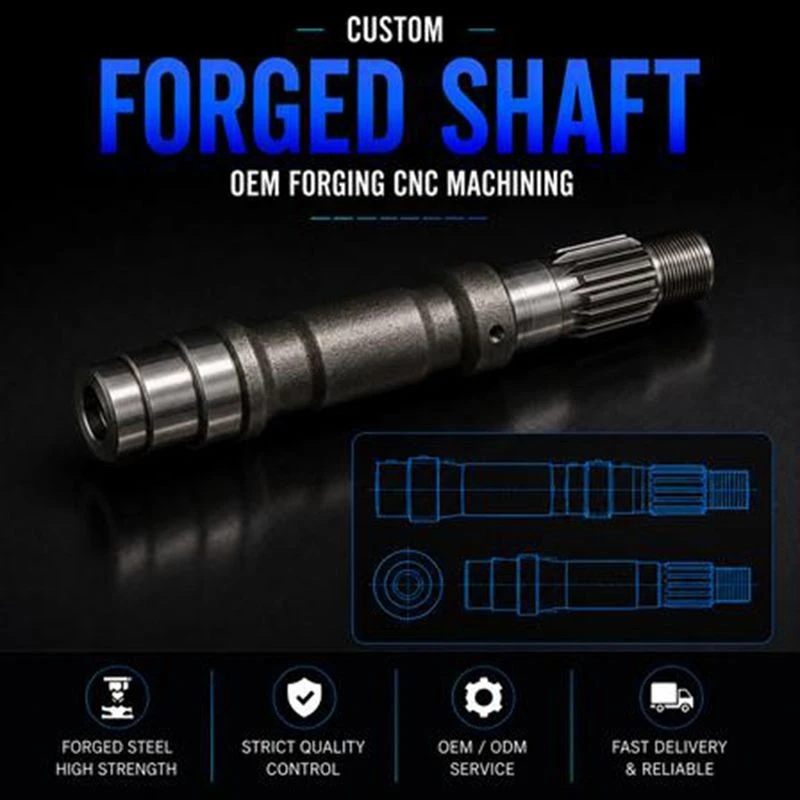
The automotive industry also uses forged flanges in various applications, such as engine components and exhaust systems. Forged Shaft and flanges with proper surface treatment can withstand the mechanical stress and environmental conditions in the automotive environment, ensuring the reliable operation of the vehicle.
Our Capabilities as a Forged Flange Supplier
As a supplier of forged flanges, we have extensive experience in surface treatment. We can offer a variety of surface treatment options to meet the specific requirements of our customers. Our state - of - the - art facilities and advanced equipment allow us to perform high - quality surface treatment processes, ensuring that our forged flanges meet or exceed industry standards.
We also provide customized surface treatment solutions. Whether our customers need a specific type of paint color, a particular thickness of galvanized coating, or a specialized passivation process for stainless steel flanges, we can tailor our services accordingly.
In addition to forged flanges, we also supply other forged products, such as Forged Gear Blank and Aluminum Forged Bracket. These products can also be surface - treated to enhance their performance and durability.
Contact Us for Your Forged Flange Needs
If you are in the market for high - quality forged flanges with excellent surface treatment, we would be delighted to assist you. Our team of experts can provide detailed information about our products, surface treatment options, and pricing. We are committed to providing the best products and services to our customers. Contact us to start a procurement negotiation and find the perfect forged flanges for your applications.
References
- ASME B16.5: Pipe Flanges and Flanged Fittings
- ASTM A105/A105M: Standard Specification for Carbon Steel Forgings for Piping Applications
- ISO 7005 - 1: Metallic Flanges - Part 1: Steel Flanges