





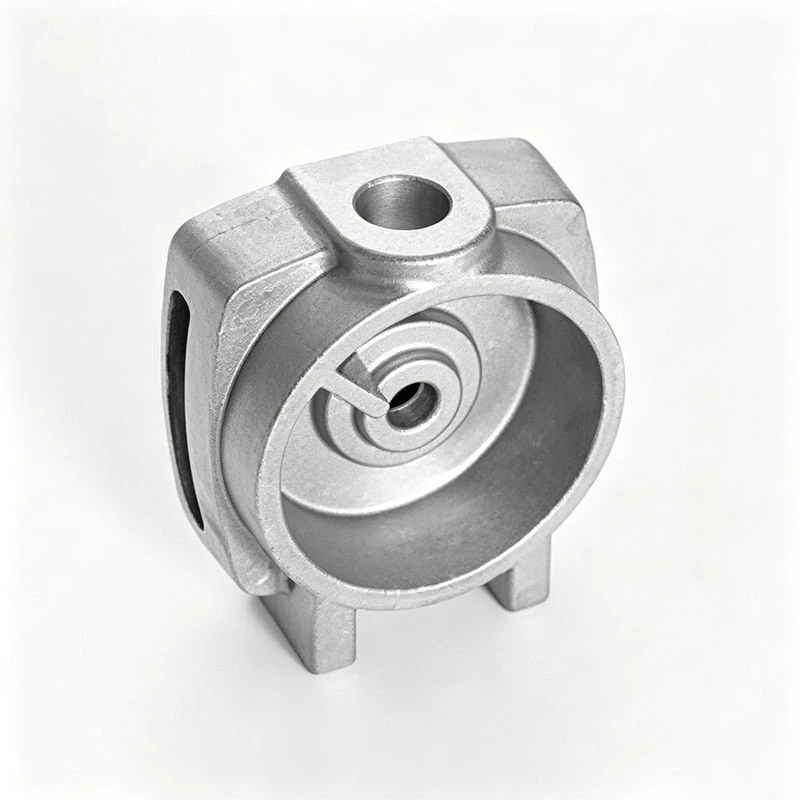
Lost Wax Casting
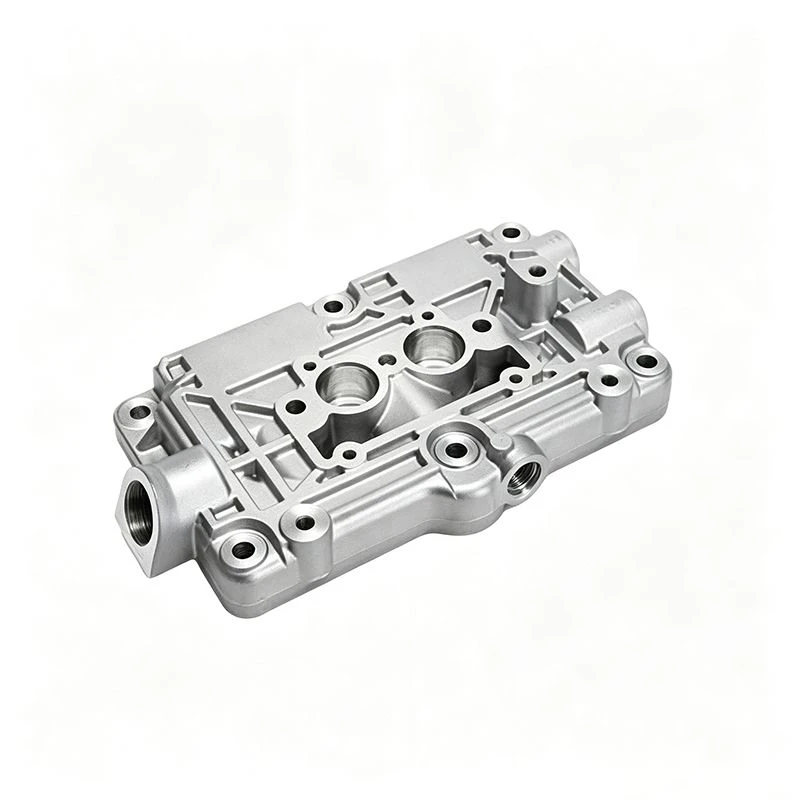
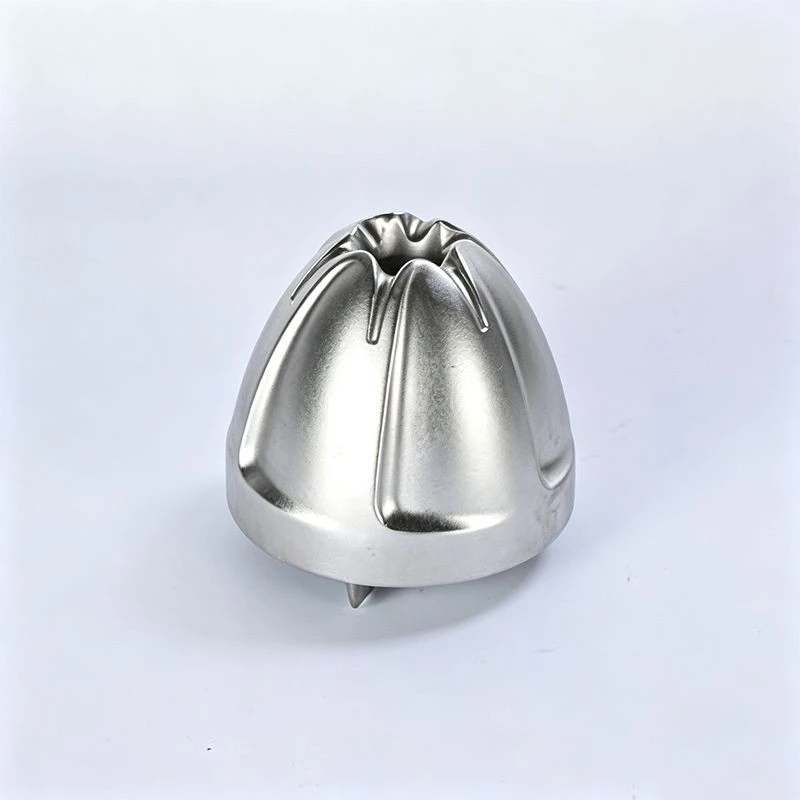
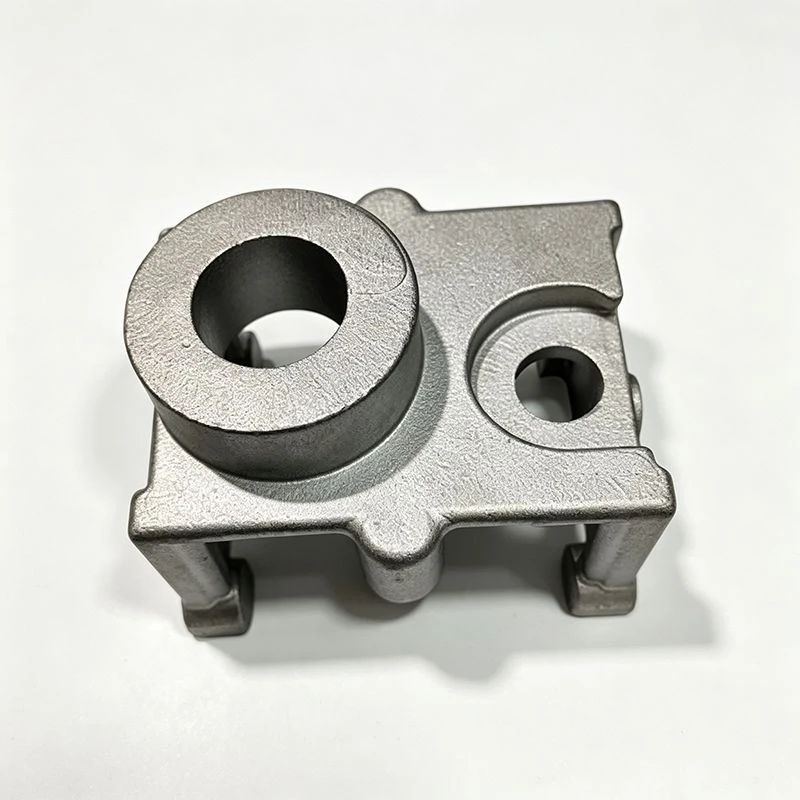
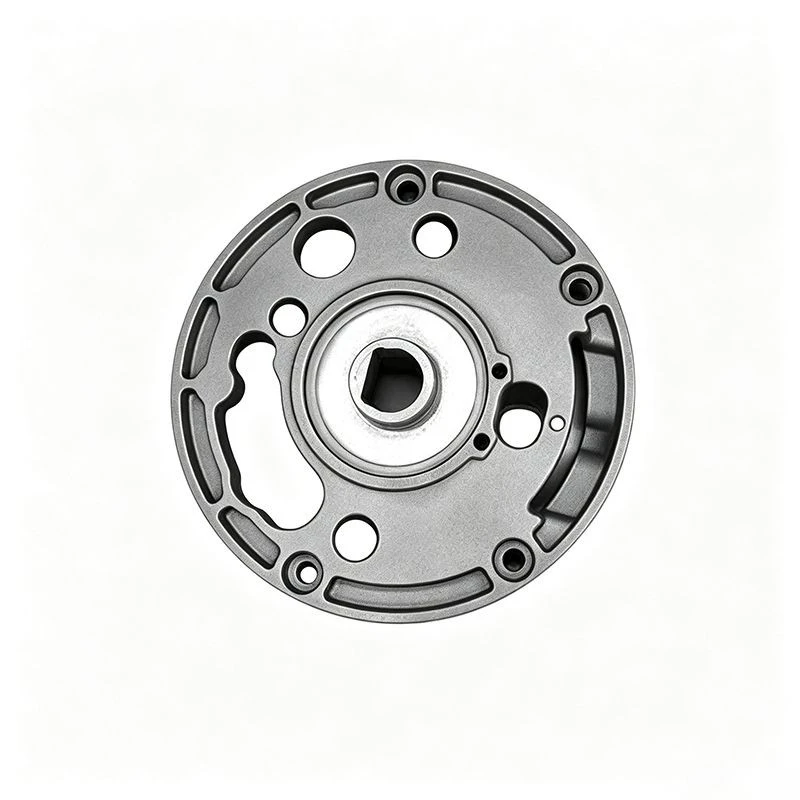
Lost wax casting is also known as investment casting or precision casting. This advanced casting process uses wax patterns assembled into clusters. The clusters are coated with refractory materials. After drying, the wax is melted out to form ceramic shells. Molten metal is then poured into the shells to create castings. Our lost wax casting covers stainless steel, alloy steel, and carbon steel materials.

- Product Introduction
Precision Casting for Complex Shapes
Lost wax casting is also known as investment casting or precision casting. This advanced casting process uses wax patterns assembled into clusters. The clusters are coated with refractory materials. After drying, the wax is melted out to form ceramic shells. Molten metal is then poured into the shells to create castings. Our lost wax casting covers stainless steel, alloy steel, and carbon steel materials. Typical products include valve bodies, pipe fittings, pump impellers, brackets, and precision structural parts. Applications span valve and pipe fitting industries, food machinery, medical devices, marine hardware, and aerospace. Every lost wax casting we produce offers high dimensional accuracy and excellent surface quality.
Near-Net Shape Casting Advantages
Lost wax casting offers significant advantages for complex-shaped, high-precision parts. Our lost wax casting achieves dimensional tolerances of CT4-CT6. Surface roughness is Ra≤3.2-6.3μm in the as-cast condition. Many complex curved surfaces and internal flow passages are formed directly during casting. This means customers receive near-net shape blanks. Subsequent machining time and cost are substantially reduced. We have a complete lost wax casting production line. This includes wax pattern making, shell building, dewaxing, baking, pouring, and finishing processes. Our factory produces lost wax castings from 0.05kg to 50kg. We serve both small precision parts and medium-sized structural components.
Strict Process Control and Inspection
We maintain strict process control in lost wax casting. Shell building workshop temperature and humidity are controlled at 23±2°C and 50-60% relative humidity. This ensures consistent shell drying quality. Baking furnace temperature uniformity is within ±5°C. Shells are thoroughly baked. Pouring temperature is precisely controlled by material type: 1580-1620°C for stainless steel, 1560-1600°C for alloy steel. We perform spectrometer analysis on every heat before pouring to verify chemical composition. After casting, parts undergo necessary heat treatment (solution treatment, normalizing, annealing). Quality inspection includes dimensional inspection using CMM, visual and dye penetrant inspection (PT), and internal quality verification through X-ray (RT) or ultrasonic testing (UT). Every batch passes first-article full dimension report (FAI) review before shipment. Our lost wax casting is ISO 9001 certified. Standard production takes 40-60 days (including mold development). We accept orders starting from 1 piece. Our engineering team provides complete technical support from DFM evaluation to continuous improvement after delivery.
Product Parameters
|
Parameter |
Specification |
|
Applicable Materials |
Stainless Steel (304/316), Alloy Steel, Carbon Steel |
|
Casting Accuracy |
CT4 – CT6 (ISO 8062 Standard) |
|
Surface Roughness |
Ra≤3.2 – 6.3μm (as-cast) |
|
Single Piece Weight Range |
0.05kg – 50kg |
|
Inspection Methods |
CMM, Dye Penetrant Inspection (PT), X-Ray Inspection (RT) |
Hot Tags: lost wax casting, China lost wax casting manufacturers, suppliers, factory, Investment Bracket, investment casting machining, Investment Flange, Investment Impeller, Investment Valve Casting, Lost Wax Casting


