




What are the new materials emerging for forged valve bodies?
 Oct 20, 2026|
Yo, fellow industry peeps! I'm a supplier of forged valve bodies, and I've been keeping my eyes peeled on the latest trends in materials for these bad boys. In this blog, I'm gonna share with you some of the new materials that are emerging for forged valve bodies.
1. Titanium Alloys
Titanium alloys have been making waves in the forged valve body scene. They're super lightweight, yet incredibly strong. This is a huge advantage, especially in applications where weight is a concern, like in aerospace or marine industries.
One of the key benefits of titanium alloys is their excellent corrosion resistance. Unlike some traditional materials, they can stand up to harsh environments without getting rusty or corroded. This means longer service life for the valve bodies, which is a win - win for both us suppliers and the end - users.
Another plus is their high strength - to - weight ratio. You can get the same level of strength as a heavier material, but with a much lighter valve body. This can lead to cost savings in transportation and installation, as well as improved fuel efficiency in applications like vehicles.
However, there are also some challenges with using titanium alloys. They're relatively expensive compared to other materials, and the forging process can be a bit tricky. But as the technology improves and production volumes increase, I'm sure the costs will come down.
2. Advanced Stainless Steels
Stainless steels have been around for a while, but the new advanced ones are taking things to the next level. These steels are designed to have better corrosion resistance, higher strength, and improved machinability.
For example, some of the new duplex stainless steels combine the best of both austenitic and ferritic stainless steels. They have high strength, good ductility, and excellent resistance to stress - corrosion cracking. This makes them ideal for applications in the chemical and petrochemical industries, where the valve bodies are exposed to aggressive chemicals.
Also, the new super - austenitic stainless steels offer superior pitting and crevice corrosion resistance. They can handle high - chloride environments, which are common in offshore oil and gas operations.
As a supplier, I've seen an increasing demand for these advanced stainless steels in forged valve bodies. Customers are willing to pay a bit more for the added benefits they provide. And let's be honest, it's worth it in the long run because it reduces maintenance and replacement costs.
3. Composite Materials
Composite materials are another exciting development in the world of forged valve bodies. These materials are made by combining two or more different materials to get the best properties of each.
For example, carbon fiber - reinforced polymers (CFRPs) are being used in some valve body applications. CFRPs have a very high strength - to - weight ratio, similar to titanium alloys. They're also electrically non - conductive, which can be an advantage in certain electrical or electronic applications.
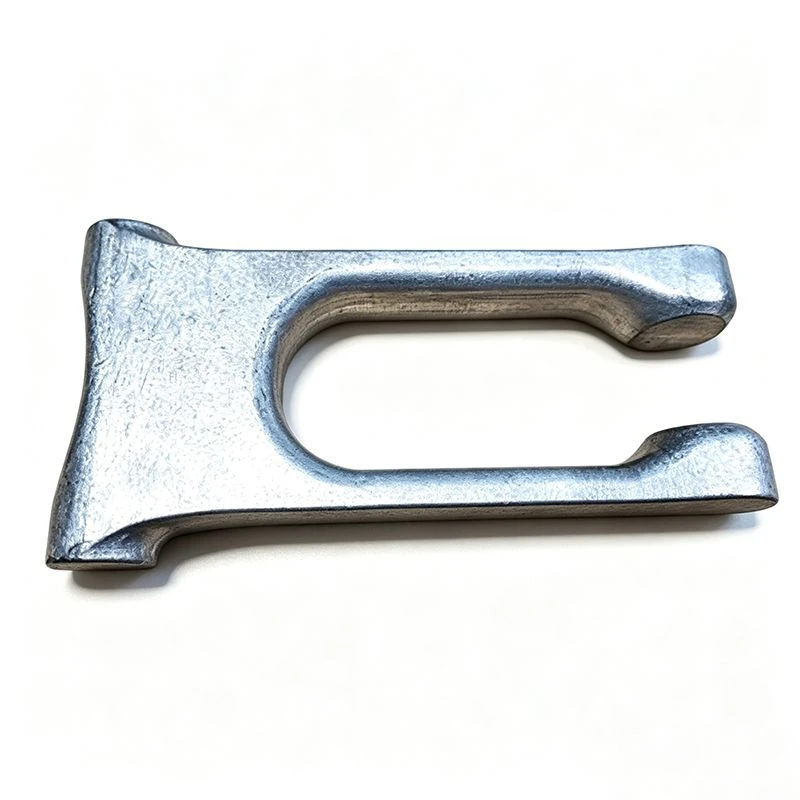
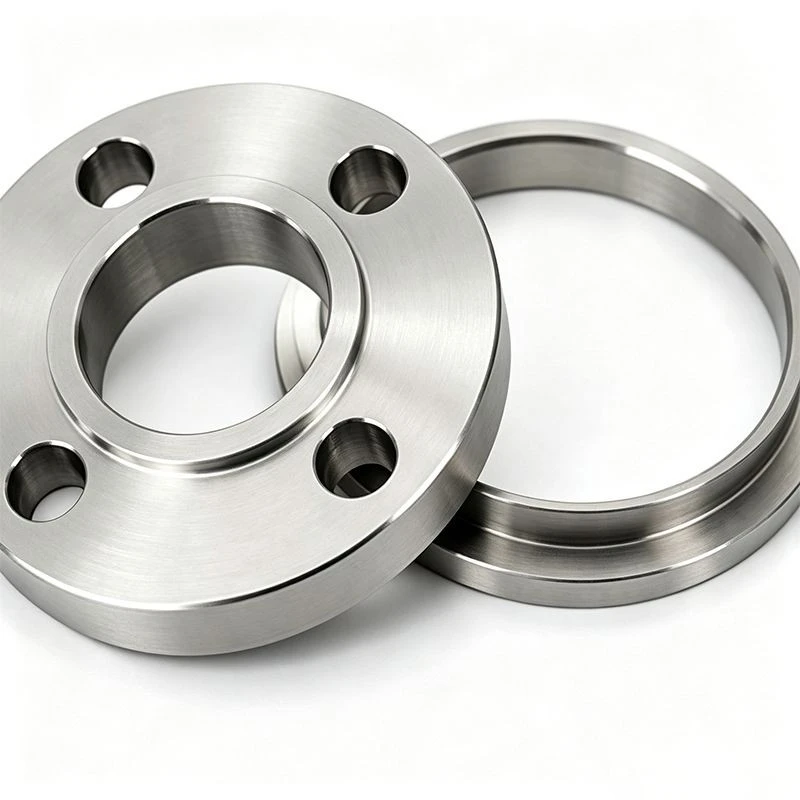
Another type of composite is ceramic - matrix composites (CMCs). CMCs have excellent high - temperature resistance and wear resistance. They can be used in applications where the valve bodies are exposed to extreme heat, like in power generation plants.
The downside of composite materials is that they can be difficult to manufacture. The forging process needs to be carefully controlled to ensure the quality of the final product. But as the manufacturing techniques improve, I think we'll see more and more composite - made forged valve bodies in the market.
4. Nickel - Based Superalloys
Nickel - based superalloys are well - known for their excellent high - temperature performance. They can maintain their strength and corrosion resistance even at very high temperatures, which makes them suitable for applications in the aerospace, power generation, and nuclear industries.
These alloys contain a significant amount of nickel, along with other elements like chromium, cobalt, and molybdenum. The combination of these elements gives the alloys their unique properties.
One of the popular nickel - based superalloys for forged valve bodies is Inconel. Inconel alloys can resist oxidation and corrosion in high - temperature and high - pressure environments. They can also withstand thermal fatigue, which is important in applications where the valve bodies are subjected to repeated heating and cooling cycles.
However, nickel - based superalloys are also quite expensive. The raw materials are costly, and the forging process requires specialized equipment and expertise. But for critical applications where performance is key, the cost is often justified.
Why It Matters to Me as a Supplier
As a forged valve body supplier, these new materials present both opportunities and challenges. On one hand, they allow me to offer more innovative products to my customers. I can meet the specific needs of different industries, like the aerospace guys who need lightweight components or the chemical industry folks who require corrosion - resistant valve bodies.
On the other hand, I need to invest in new equipment and training to work with these materials. The forging processes for these new materials can be quite different from the traditional ones, and I have to make sure my team knows how to handle them properly.
But I'm up for the challenge. I believe that by staying ahead of the curve and offering the latest materials in forged valve bodies, I can differentiate myself from the competition and build long - term relationships with my customers.
Our Other Forging Products
In addition to forged valve bodies, we also supply a range of other forging products. Check out these links to learn more:
Wanna Work Together?
If you're in the market for high - quality forged valve bodies or any of our other forging products, I'd love to talk to you. Whether you need a small order for a prototype or a large - scale production run, I've got you covered. Just reach out, and let's start a conversation about how I can meet your specific requirements.
References
- Smith, J. "Advanced Materials for Industrial Forging." Metal Tech Journal, 2023.
- Brown, R. "The Future of Forged Components in High - Performance Industries." Manufacturing Insights Review, 2022.
- Green, S. "Composite Materials in Forging Applications." Composite World Magazine, 2021.