




What is the precision machining process for aluminum alloys?
 Oct 09, 2026|
Aluminum alloys are widely recognized for their favorable combination of light weight, high strength, corrosion resistance, and good machinability. Precision machining of aluminum alloys is crucial across various industries, from aerospace and automotive to electronics and consumer goods. As a precision machining supplier, I am well - versed in the processes involved in achieving high - quality machined aluminum alloy parts.
Understanding Aluminum Alloys
Before delving into the precision machining process, it's important to understand the different types of aluminum alloys. The most common aluminum alloys used in precision machining include the 6000 and 7000 series. The 6000 series, such as 6061 and 6063, is known for its excellent balance of strength, corrosion resistance, and machinability. These alloys are often used in structural applications, frames, and general - purpose components. The 7000 series, like 7075, offers high strength - to - weight ratios and is commonly used in aerospace and high - stress applications, although it is a bit more challenging to machine compared to the 6000 series.
Precision Machining Processes for Aluminum Alloys
1. CNC Milling
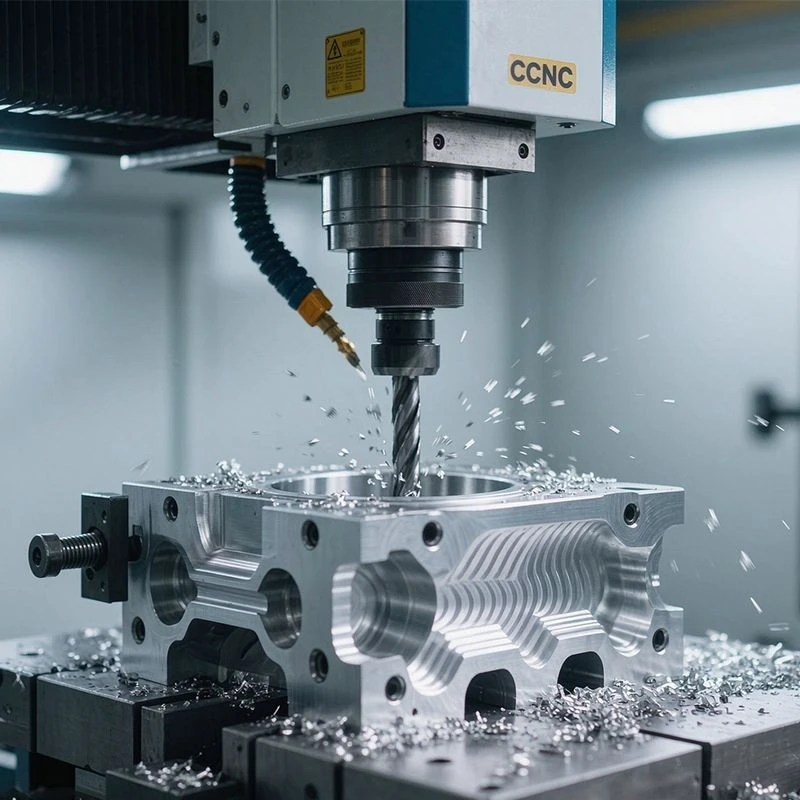
CNC (Computer Numerical Control) milling is one of the most widely used precision machining processes for aluminum alloys. In this process, a rotating cutting tool removes material from the aluminum alloy workpiece to create the desired shape. The cutting tool can move along multiple axes, allowing for the creation of complex 3D geometries.
The first step in CNC milling is programming. A CAD (Computer - Aided Design) model of the part is created, and then CAM (Computer - Aided Manufacturing) software is used to generate the toolpaths. These toolpaths guide the cutting tool to make the necessary cuts on the workpiece.
When milling aluminum alloys, the choice of cutting tools is crucial. Carbide end mills are commonly used due to their high hardness and wear resistance. High - speed steel tools can also be used for less demanding applications. The cutting parameters, such as cutting speed, feed rate, and depth of cut, need to be carefully optimized. For aluminum alloys, relatively high cutting speeds and feed rates can be used to increase productivity while maintaining good surface finish.
We offer CNC Aluminum Milling services that ensure high - precision parts with tight tolerances and excellent surface quality. Our state - of - the - art CNC milling machines are capable of handling a wide range of part sizes and complexities.
2. CNC Turning
CNC turning is another important precision machining process for aluminum alloys. In turning, the workpiece rotates while a single - point cutting tool moves linearly to remove material. This process is ideal for creating cylindrical or round - shaped parts, such as shafts, bushings, and sleeves.
Similar to CNC milling, programming is the first step in CNC turning. The CAM software generates the toolpaths for the cutting tool to follow. The cutting tool is selected based on the type of operation, such as roughing or finishing. For aluminum alloys, carbide inserts are often used for turning operations.
During the turning process, the cutting parameters need to be carefully controlled. The spindle speed determines the rotational speed of the workpiece, and the feed rate controls the movement of the cutting tool. By optimizing these parameters, we can achieve high - quality surface finishes and accurate dimensions. We provide CNC Bushing Turning and CNC Sleeve Turning services, ensuring that our customers receive parts that meet their exact specifications.
3. Drilling
Drilling is a process used to create holes in aluminum alloy workpieces. It can be performed as a standalone operation or as part of a more complex machining process. When drilling aluminum alloys, the choice of drill bits is important. High - speed steel or carbide drill bits can be used, with carbide drill bits offering better performance and longer tool life.
The drilling parameters, such as the drill speed and feed rate, need to be adjusted according to the diameter of the hole and the material properties of the aluminum alloy. Proper chip evacuation is also crucial to prevent chip clogging, which can lead to poor hole quality and tool damage.
4. Grinding
Grinding is a finishing process used to achieve high - precision dimensions and excellent surface finishes on aluminum alloy parts. In grinding, an abrasive wheel removes a small amount of material from the workpiece. This process is often used for parts that require tight tolerances and smooth surfaces, such as bearing surfaces or mating surfaces.
The choice of grinding wheel depends on the material and the required surface finish. For aluminum alloys, a silicon carbide or diamond - impregnated grinding wheel can be used. The grinding parameters, such as the wheel speed, feed rate, and depth of cut, need to be carefully controlled to avoid overheating the workpiece and causing surface damage.
Challenges in Precision Machining of Aluminum Alloys
While aluminum alloys are generally easy to machine, there are still some challenges that need to be addressed in precision machining.
1. Chip Formation
Aluminum alloys tend to produce long, stringy chips during machining. These chips can wrap around the cutting tool, causing tool breakage and poor surface finish. To address this issue, proper chip - breaking techniques need to be employed. This can include using cutting tools with chip - breaking geometries or applying cutting fluids to help break up the chips.
2. Surface Finish
Achieving a high - quality surface finish on aluminum alloy parts can be challenging. Factors such as tool wear, cutting parameters, and the material properties of the aluminum alloy can affect the surface finish. By carefully selecting the cutting tools, optimizing the cutting parameters, and using proper cutting fluids, we can improve the surface finish of the machined parts.
3. Thermal Expansion
Aluminum alloys have a relatively high coefficient of thermal expansion. During the machining process, heat is generated, which can cause the workpiece to expand. This can lead to dimensional inaccuracies if not properly controlled. To minimize the effects of thermal expansion, we use techniques such as coolant application and controlling the cutting parameters to reduce heat generation.
Quality Control in Precision Machining
Quality control is an integral part of the precision machining process for aluminum alloys. We use a variety of inspection methods to ensure that the machined parts meet the required specifications.
1. Dimensional Inspection
We use precision measuring instruments, such as calipers, micrometers, and coordinate measuring machines (CMMs), to measure the dimensions of the machined parts. CMMs are particularly useful for measuring complex geometries and ensuring that the parts are within the specified tolerances.
2. Surface Finish Inspection
Surface finish inspection is performed using surface roughness testers. These instruments measure the roughness of the machined surface and ensure that it meets the required surface finish standards.
3. Material Inspection
We also perform material inspections to ensure that the aluminum alloy used in the machining process meets the required material specifications. This can include chemical analysis and hardness testing.
Conclusion
Precision machining of aluminum alloys is a complex process that requires a deep understanding of the material properties, machining techniques, and quality control methods. As a precision machining supplier, we have the expertise and state - of - the - art equipment to provide high - quality machined aluminum alloy parts. We also offer CNC Plastic Milling and CNC Steel Milling services to meet the diverse needs of our customers.
If you are in need of precision - machined aluminum alloy parts, we invite you to contact us for a detailed discussion and procurement negotiation. We are committed to providing you with the best solutions and high - quality products.
References
- ASM Handbook Volume 16: Machining, ASM International
- Modern Machining Technology: Materials, Processes, and Equipment, by Robert A. Reisner